
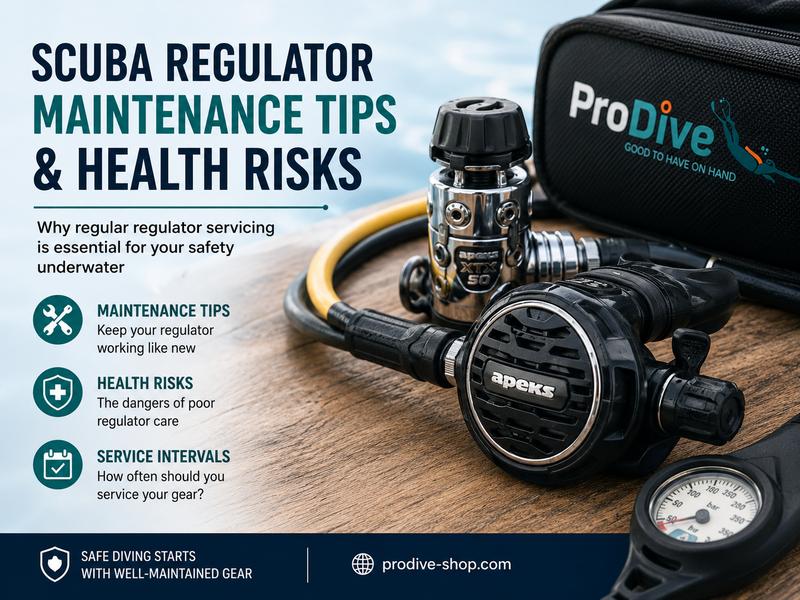
Mold, Rust, Black Dust, and Oil in Your Scuba Regulator: Are You Breathing Them In?
How Does This Happen? Usage, Storage, and Maintenance
The scuba regulator is the most crucial part of a diver's equipment, as it ensures a steady supply of breathable air underwater. Because of its importance, cleaning, drying, and proper storage after every dive should be a priority. Regular inspections and servicing, based on the number of dives or years of use, are also essential. But the question remains: does everyone take these necessary steps to maintain their regulator?
Let’s take a closer look at what happens inside a regulator.
This article is based on my extensive experience servicing scuba regulators and equipment. Over the years, I’ve encountered various issues and have documented them with photos to share insights that might surprise you. These images show real examples of regulators I’ve serviced—revealing what can go wrong when maintenance is neglected.
What’s Lurking Inside Your Regulator?
During my work disassembling regulators, I’ve often been astonished by what I’ve found—and, in some cases, by the odors emanating from them. It made me wonder: How could someone breathe through this? Could these contaminants pose health risks?
Here’s a list of what I’ve encountered:
- Rust dust: Likely originating from corroded steel tanks.
- Black dust: Often carbon particles from compressors.
- Oil: Typically introduced by poorly maintained compressors.
- Mold and mildew: Found on filters, inside the first stage, and within hoses, accompanied by unpleasant odors.
- Accumulated grime flakes: Built up on internal walls, particularly in the second stage.
- Unidentified fine particles: Various debris with unknown origins.
When you breathe through a contaminated regulator, these particles can enter the airflow and make their way into your lungs, potentially causing health problems.
Mold and Mildew: The Most Common Contaminants
Mold and mildew often develop in the first stage and hoses when water enters the regulator and it is left unused for an extended period. The dark, damp environment encourages fungal growth, particularly when sweet (non-salty) water is involved.
Common Causes of Water Entry:
- Forgetting to secure the first-stage dust cap.
- Poorly sealed or damaged caps.
- Pressing the purge button on the second stage while soaking the regulator in fresh water. This allows water to flow into the hoses and eventually reach the first stage.
The Role of the Filter
The regulator’s filter plays a critical role. Made from sintered porous metal—such as stainless steel, bronze, or nickel alloys—it stabilizes airflow under pressure and blocks larger particles. However, it cannot trap fine dust or prevent mold and mildew growth if water seeps into the regulator.
Mold spores can thrive in the porous filter structure when moisture is present, especially in sweet water. Unfortunately, the first stage is particularly vulnerable to such issues, as it remains sealed except for a small opening at the dust cap.
Health Risks of Mold, Mildew, and Contaminants
What Are Molds?
Molds are microscopic fungi that thrive in warm, damp conditions. Their spores can spread through the air and trigger allergic reactions when inhaled.
- Appearance: Mold often forms colored colonies (green, blue, beige, etc.) with a textured surface.
- Aspergillus niger: A common type of mold that grows rapidly, producing spores that can pose significant health risks when inhaled.
What Is Mildew?
Mildew starts as a white, cotton-like structure made of fungal hyphae (threads). Over time, it produces black spores, which are released into the air and can be inhaled.
Potential Health Effects
Exposure to mold and mildew can cause a range of health issues, depending on the individual’s sensitivity, the type of mold, and the level of exposure:
- Allergic Reactions: Symptoms include sneezing, runny nose, nasal congestion, itchy eyes, and skin irritation. Mold can exacerbate asthma symptoms, causing coughing and wheezing.
- Respiratory Infections: Inhaled mold spores can irritate the lungs, leading to coughing, shortness of breath, and chest tightness.
- Mycotoxins: Some molds produce toxic substances that can cause nausea, vomiting, headaches, and fatigue.
Preventing Regulator Contamination
To minimize contamination risks, follow these best practices:
- Always dry your regulator in a warm, well-ventilated area, with the first stage elevated.
- If you suspect water entry, dry the first stage without the dust cap before storage.
- Allow extra drying time if the regulator will be stored for an extended period, even if it seems dry.
Most importantly, schedule regular inspections and servicing for your regulator. Proper cleaning using ultrasonic baths and specialized solutions, as well as replacing worn components and lubricating parts, will ensure its longevity and your safety.
Maintaining your regulator is not just about equipment—it’s about protecting your health. Don’t compromise. Always prioritize proper care and regular servicing.
By following these tips, you can ensure that your scuba regulator remains clean, safe, and ready for your next underwater adventure.
Leave your comment
Note: HTML is not translated!